
Antolohe is more than just a tradition; it’s a vibrant celebration steeped in history and culture. This fascinating practice, rooted deeply in the customs of its people, showcases not only their heritage but also their profound connection to community and identity. As we dive into the world of Antolohe, you’ll uncover the rich stories that have shaped this remarkable tradition over generations. From its origins to the way it is celebrated today, each aspect reveals something unique about those who partake in it. Join us on this journey as we explore what makes Antolohe such an enduring symbol of cultural pride and unity.
Origins and Significance of Antolohe
Antolohe traces its roots back centuries, deeply embedded in the cultural fabric of certain communities. It is not just a celebration; it embodies stories passed down through generations.
Historically, Antolohe was a way for people to connect with their ancestors and honor their heritage. The tradition served as an anchor during turbulent times, offering solace and unity among participants.
The significance of Antolohe extends beyond mere festivities. It reflects values like respect, gratitude, and community spirit. Each ritual tells a story that resonates with those who partake in them.
As generations evolve, the essence of Antolohe remains relevant. It serves as a bridge between past and present, reminding individuals of their identity while fostering communal bonds that withstand the test of time.
How Antolohe is Celebrated
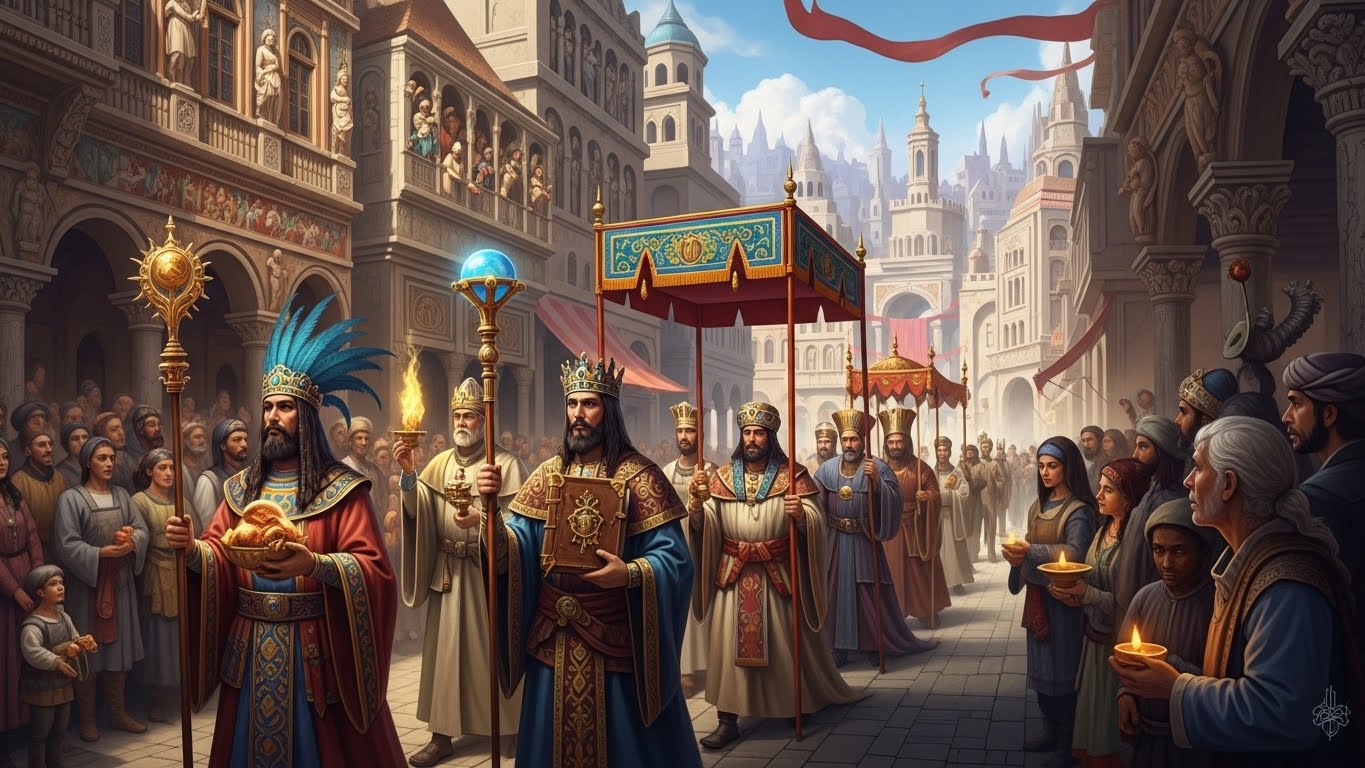
Antolohe is celebrated with vibrant enthusiasm and deep reverence. Communities gather, transforming public spaces into lively hubs of activity. Colorful decorations adorn homes and streets, creating an atmosphere filled with joy.
At the heart of Antolohe festivities are traditional performances that showcase rich cultural heritage. Dancers don elaborate costumes, embodying ancestral spirits as they tell stories through movement. Music fills the air, resonating with rhythms that have echoed through generations.
Food plays a vital role in this celebration. Families prepare exquisite dishes passed down over time, symbolizing unity and gratitude. Sharing meals fosters connections among participants, reinforcing community bonds.
Ceremonies often include rituals honoring ancestors and nature deities. These acts of devotion reinforce spiritual ties while inviting blessings for the upcoming year. As day turns to night, lanterns illuminate gatherings, casting a warm glow on shared laughter and heartfelt conversations amidst the joyous spirit of Antolohe.
Traditional Customs and Rituals
Traditional customs and rituals surrounding Antolohe are rich in meaning and symbolism. Each aspect is carefully crafted to honor the past while celebrating community.
One prominent feature is the vibrant attire worn by participants. Bright colors and intricate designs reflect cultural heritage, making every gathering a visual feast.
Rituals often include music and dance that tell stories of ancestors. These performances create a deep connection between generations, passing down values through movement.
Food plays an essential role as well. Traditional dishes prepared during Antolohe not only nourish but also bring people together around shared meals. Recipes passed through families resonate with nostalgia.
Participants engage in storytelling sessions too, allowing elders to impart wisdom while younger members listen intently. This fosters respect for history and strengthens community bonds.
Each custom reinforces the significance of Antolohe, ensuring it remains a cherished tradition filled with love and unity.
Modern Adaptations of Antolohe
In recent years, Antolohe has evolved, embracing contemporary influences while staying rooted in tradition. Younger generations are finding innovative ways to celebrate this rich cultural practice.
Social media plays a significant role in this transformation. Platforms like Instagram and TikTok showcase vibrant celebrations, making Antolohe accessible to a global audience. This visibility encourages more people to participate and learn about its significance.
Communities are also incorporating modern elements into their festivities. Music genres such as hip-hop or electronic beats mix with traditional sounds, creating unique experiences that resonate with youth.
Workshops and educational programs have sprung up, inviting participants from diverse backgrounds to explore the history of Antolohe firsthand. These initiatives foster inclusivity while honoring age-old customs.
These adaptations breathe new life into the tradition, ensuring it remains relevant for future generations without losing its essence.
Impact and Importance of Antolohe
Antolohe serves as a vital cultural anchor for communities. It fosters a sense of belonging and identity among participants. Through this tradition, generations connect with their ancestry, ensuring the stories of the past are not forgotten.
The celebration encourages community engagement and collaboration. Families come together to partake in rituals, strengthening bonds within neighborhoods. The act of celebrating Antolohe nurtures friendships and creates lasting memories.
Economically, Antolohe can boost local tourism. Visitors flock to experience its vibrant festivities firsthand. This influx brings opportunities for artisans and vendors who showcase traditional crafts.
Furthermore, Antolohe plays an educational role by imparting values such as respect for nature and honoring elders. Such lessons resonate beyond the celebrations themselves; they influence everyday life choices within the community’s younger members.
As time progresses, understanding its impact remains crucial to preserving cultural heritage while adapting to modern influences.
Preserving the Tradition for Future Generations
Preserving Antolohe is vital for cultural continuity. The younger generation must engage with this tradition to keep its spirit alive. Educational programs can immerse them in the history and significance of Antolohe.
Community events play a crucial role, bringing families together to celebrate their heritage. These gatherings create an opportunity for storytelling, music, and dance that reflect the essence of Antolohe.
Incorporating technology also helps reach wider audiences. Social media platforms allow enthusiasts to share experiences and knowledge about this fascinating custom.
Collaboration with local schools can foster appreciation among students. Workshops could teach traditional crafts or invite elders to pass down stories directly linked to Antolohe’s roots.
As communities embrace innovation while honoring traditions, they ensure that future generations appreciate the richness of their culture. This balance between past and present will keep the flame of Antolohe burning brightly for years to come.
Conclusion
Antolohe is more than just a tradition; it’s a living expression of culture and community. This rich practice weaves together history, spirituality, and the shared values of those who participate in it. As communities come together to honor their ancestors through various customs and rituals, they not only celebrate their past but also reinforce their bonds with one another.
Modern adaptations are making Antolohe accessible to younger generations while still respecting its roots. Families continue to pass on stories and practices that keep the spirit of Antolohe alive. The future looks bright as efforts grow stronger to preserve this fascinating tradition amid changing times.
As we recognize the importance of Antolohe today, it’s evident that its significance transcends mere celebration. It connects people across ages, reminding them of where they came from while guiding them toward what lies ahead. By embracing both tradition and innovation, will inspire many for years to come.
The journey of understanding and participating in enriches lives in ways that echo through time. It’s an invitation for everyone to engage with heritage while fostering a sense of belonging within communities worldwide.