
Foenegriek, also known as fenugreek, is a herb that has been cherished for centuries. With its unique flavor and numerous health benefits, it’s no wonder that gardeners and chefs alike are drawn to this versatile plant. Imagine the satisfaction of stepping into your kitchen to grab fresh foenegriek straight from your own garden. Whether you’re looking to enhance your culinary creations or simply enjoy the process of growing herbs at home, foenegriek offers an exciting opportunity.
This delightful herb not only adds a distinctive taste to dishes but also comes packed with vitamins and minerals that can boost your health. Cultivating foenegriek in your backyard or on a sunny windowsill is easier than you might think. Join us as we explore how to grow and harvest this remarkable plant right in the comfort of your own space!
Benefits of Growing Foenegriek at Home
Growing Foenegriek at home offers numerous advantages that go beyond just having fresh herbs on hand. First, it’s a wonderful way to enhance your meals with its unique flavor and aroma. Simply snip some leaves for salads or sprinkle the seeds over various dishes.
Another significant benefit is the health aspect. Foenegriek is known for its medicinal properties, including aiding digestion and helping regulate blood sugar levels. Having a readily available supply means you can incorporate these benefits into your daily diet effortlessly.
Cultivating this plant also provides an opportunity to connect with nature. Tending to your garden fosters mindfulness and reduces stress levels. The simple act of nurturing plants can be incredibly rewarding.
Growing Foenegriek at home promotes sustainability. You’ll cut down on packaging waste while enjoying organic produce free from harmful pesticides commonly found in store-bought herbs.
Steps to Grow and Harvest Foenegriek
Growing Foenegriek is a rewarding endeavor. Start by selecting a sunny spot in your garden or on your balcony. This herb thrives in well-drained soil, so consider raised beds or pots.
Next, sow the seeds about half an inch deep and space them a few inches apart. Water gently to keep the soil moist but not soggy. Be patient; germination usually takes around two weeks.
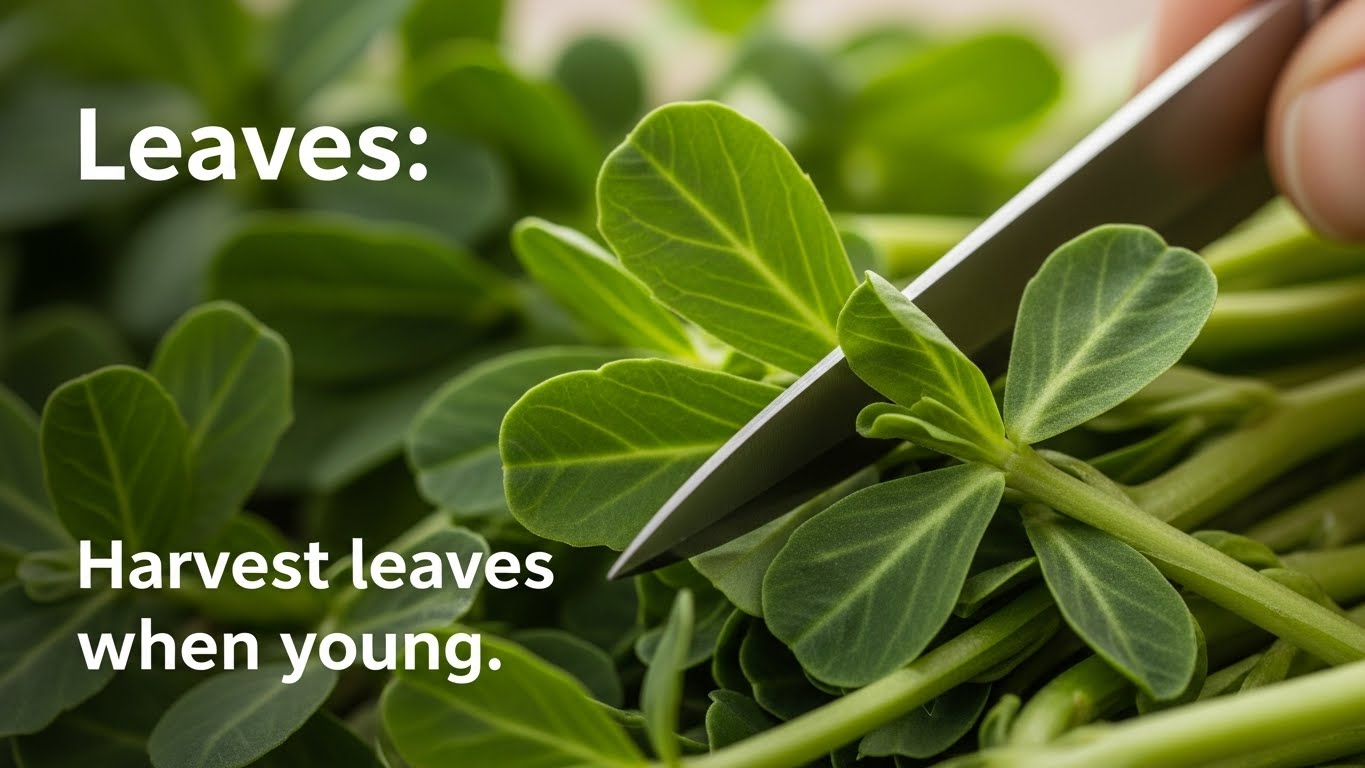
Once established, Foenegriek will grow lush green leaves and distinctive seed pods. Harvesting begins when the leaves are plentiful—snip off what you need while allowing some to remain for continued growth.
For seeds, wait until their pods turn brown before picking them. Hang them upside down in a cool place for drying if you’re saving for later use. Enjoy watching your efforts flourish with each passing day!
Tips for Maintaining a Healthy and Productive Foenegriek Plant
To maintain a healthy Foenegriek plant, start with soil that drains well. A mix of potting soil and sand works wonders.
Watering is crucial but don’t overdo it. Allow the top inch of soil to dry out before giving your plant another drink. This helps prevent root rot.
Place your Foenegriek in a spot with plenty of sunlight. It thrives best in bright, indirect light for several hours each day.
Regularly pinch back the leaves to encourage bushier growth. This simple trick enhances air circulation and keeps the plant vibrant.
Keep an eye on pests like aphids or spider mites. If you spot any unwelcome visitors, treat them quickly with insecticidal soap or neem oil.
Fertilizing every few weeks during the growing season will provide essential nutrients, promoting lush foliage and flavorful seeds when harvest time arrives.
Creative Uses for Foenegriek in Cooking and Beyond
Foenegriek, or fenugreek, is a versatile herb that adds depth to various dishes. Its leaves work wonders in salads and stir-fries, imparting a unique, slightly bitter flavor.
The seeds can be toasted for an aromatic seasoning. Ground foenegriek seeds enhance spice blends and curries with earthy notes.
Beyond the kitchen, foenegriek has therapeutic properties. Infuse its leaves into herbal teas for digestive support and general wellness.
You can even try using dried foenegriek powder in homemade face masks. It’s believed to nourish skin and combat blemishes naturally.
In baking, add ground foenegriek to bread recipes for a distinctive taste twist. This herb opens up endless culinary possibilities while contributing health benefits at the same time.
The Joy of Growing Your Own Herbs at Home
Growing your own herbs at home is a delightful experience. It invites you to connect with nature right in your kitchen or balcony. Each sprout brings the promise of fresh flavors and scents.
Tending to your plants can be therapeutic. Watching them thrive nurtures a sense of accomplishment that store-bought herbs simply can’t match. The joy multiplies when you reach for a handful of freshly-picked leaves while cooking.
Herbs add vibrant life to any meal, enhancing not just taste but also nutrition. Imagine sprinkling fresh Foenegriek on roasted vegetables or using it in soups—nothing beats that burst of flavor straight from your garden.
Moreover, growing herbs is easy and requires minimal space. Even small pots can yield bountiful harvests if cared for properly. Sharing these culinary treasures with friends and family adds another layer of satisfaction to this rewarding hobby.
Conclusion
Growing your own foenegriek at home is not just a rewarding endeavor but also enhances your culinary adventures. With its unique flavor profile and numerous health benefits, this herb can elevate simple dishes into extraordinary meals. Plus, the satisfaction of nurturing a plant from seed to harvest adds an extra layer of joy to cooking.
Whether you’re cultivating it for its nutritional value or simply for the love of gardening, foenegriek offers endless possibilities. By following proper growing techniques and maintenance tips, you can ensure a thriving plant that yields ample herbs throughout the seasons.
Explore different ways to incorporate foenegriek into your recipes or try using it in non-cooking applications like skincare or natural remedies. Embrace the journey of growing herbs at home; it’s more than just planting seeds—it’s about creating memories and enriching your life with nature’s bounty. Happy gardening!