
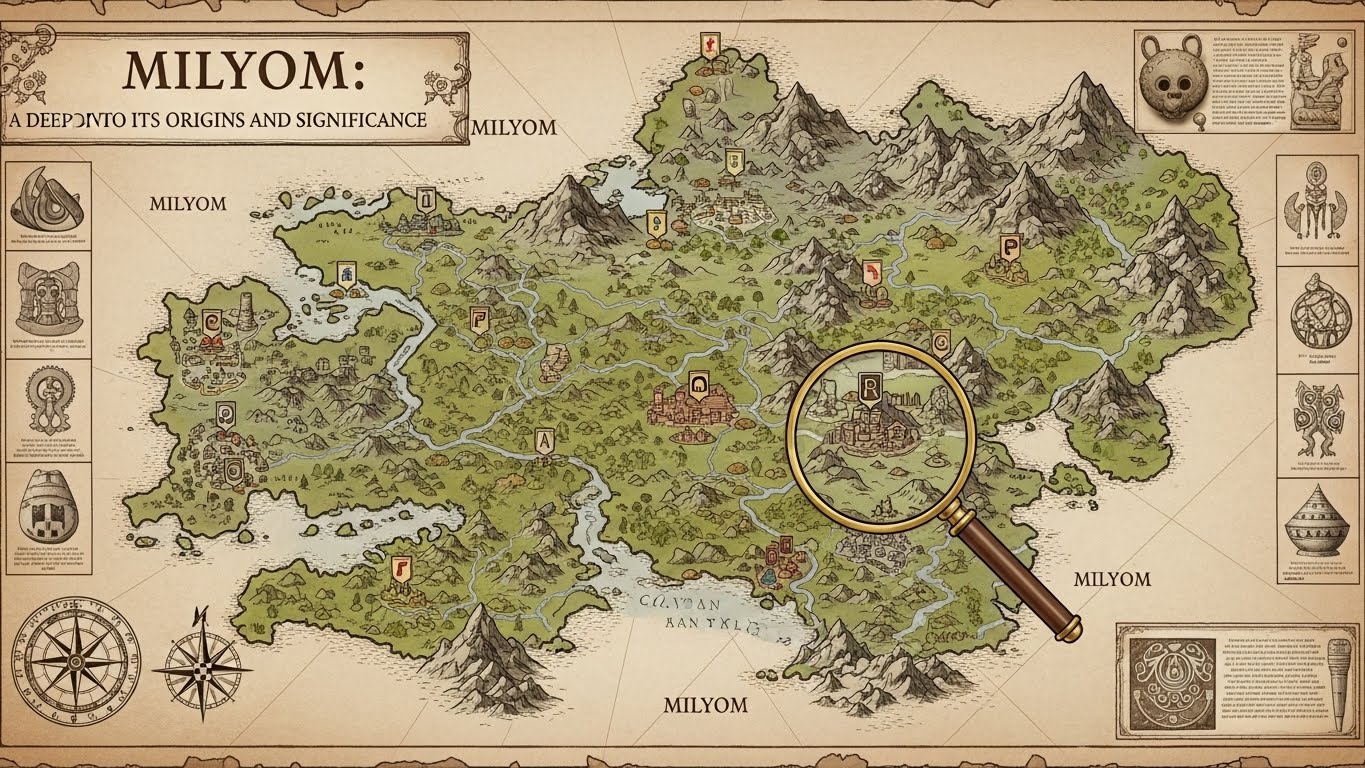
Milyom is a term that has intrigued people for centuries. Yet, many still find themselves puzzled by its meaning and implications. Is it simply a word, or does it carry deeper cultural significance? As we embark on this exploration of Milyom, we’ll uncover its origins, how it’s woven into various cultures, and why it matters today.
Whether you’re encountering Milyom for the first time or have long been fascinated by it, there’s much to discover. Together, let’s peel back the layers surrounding this captivating term and see what lies beneath its surface.
The Origin of Milyom
The term “Milyom” has intriguing roots that trace back to ancient civilizations. Scholars believe it originated from a blend of cultural influences, merging language and tradition.
In some accounts, Milyom is linked to early trade practices where its meaning revolved around value and exchange. This concept evolved over centuries, adapting to the needs of different societies.
As cultures collided through exploration and migration, the word began to adopt new meanings. It was shaped by local dialects and customs, reflecting a rich tapestry of human experience.
Today, Milyom resonates with diverse interpretations across various regions. Its historical journey mirrors humanity’s quest for connection and understanding in an ever-changing world.
How Milyom is Used in Different Cultures
Milyom holds a unique place across various cultures, often symbolizing connection and understanding. In some communities, it serves as a greeting or an expression of goodwill.
In African traditions, Milyom is often integrated into rituals and celebrations. It acts as a bridge between the spiritual and physical realms, fostering unity among participants.
Similarly, in Asian cultures, Milyom reflects harmony and balance. People use it to convey respect during important life events such as weddings or festivals.
In Western contexts, Milyom has evolved into pop culture references. Artists incorporate it into music and literature to express themes of love and friendship.
This diverse usage highlights its adaptability while emphasizing shared human experiences across the globe. Each cultural interpretation adds depth to what Milyom represents for those who embrace it.
The Significance of Milyom in Modern Society
Milyom holds a unique place in modern society, transcending mere terminology. It has become a symbol of cultural identity and expression for many communities.
In an era where globalization is prevalent, Milyom serves as a reminder of local customs and heritage. People increasingly seek to reconnect with their roots, using as a bridge between the past and present.
Social media platforms have also embraced the term, allowing it to evolve dynamically within digital spaces. Memes and hashtags featuring circulate widely, often sparking conversations about tradition versus modernity.
Additionally, artists and writers incorporate into their work to explore themes of belonging. This creative use reinforces its relevance in contemporary dialogues around culture and identity.
As discussions surrounding multiculturalism continue to grow,remains significant in advocating for diversity while fostering understanding among different groups.
Misconceptions and Controversies Surrounding Milyom
Milyom has stirred up various misconceptions over the years. Many people believe it is strictly tied to one culture or practice, but that’s far from the truth. Its roots run deep across multiple societies.
Some critics argue that promotes exclusivity and elitism. They claim it alienates those unfamiliar with its traditions. This perspective often oversimplifies a complex term rich in meaning.
Additionally, there’s confusion about its application in modern contexts. Some view as outdated, while others celebrate its evolution and relevance today.
These controversies can create a divide among enthusiasts and skeptics alike. Each group holds strong opinions shaped by personal experiences and cultural backgrounds.
The debates surrounding Milyom reflect broader societal themes—identity, belonging, and tradition versus modernity—making it a topic worth exploring further.
Famous People Who Have Used the Term Milyom
Throughout history, several notable figures have embraced the term Milyom in various contexts. Whether in literature, music, or public speeches, these individuals have contributed to its cultural significance.
One of the most famous uses came from a renowned poet who incorporated into their works as a metaphor for unity and strength. This poetic usage resonated deeply with audiences and sparked discussions about its deeper meanings.
In pop culture, musicians have referenced in lyrics that explore themes of love and struggle. Their songs often highlight how this term encapsulates complex emotions in just one word.
Politicians have also used during rallies to connect with constituents on shared values. By invoking this term, they aim to create an emotional bond that transcends ordinary political discourse.
Each encounter enriches the narrative surrounding and elevates its status within modern dialogue.
Conclusion
Milyom stands as a fascinating concept that transcends borders and cultures. Its origins are steeped in history, offering insights into the values and traditions of various societies. As we explored its diverse applications across different nations, it became clear how deeply intertwined Milyom is with cultural identity and social practices.
Modern society continues to embrace for its rich significance. From enhancing community ties to serving as a symbol of resilience, it plays an important role today. Yet, like many concepts grounded in tradition, misconceptions persist. These misunderstandings can dilute its true meaning and importance.
Prominent figures who have engaged with or referenced bring additional layers to this term’s narrative. Their experiences highlight the richness of meaning behind what might seem like just a word at first glance.
The exploration of invites curiosity about our shared human experience. It encourages us to dig deeper into cultural expressions that shape our understanding of one another while celebrating diversity through common =threads woven by terms like.