
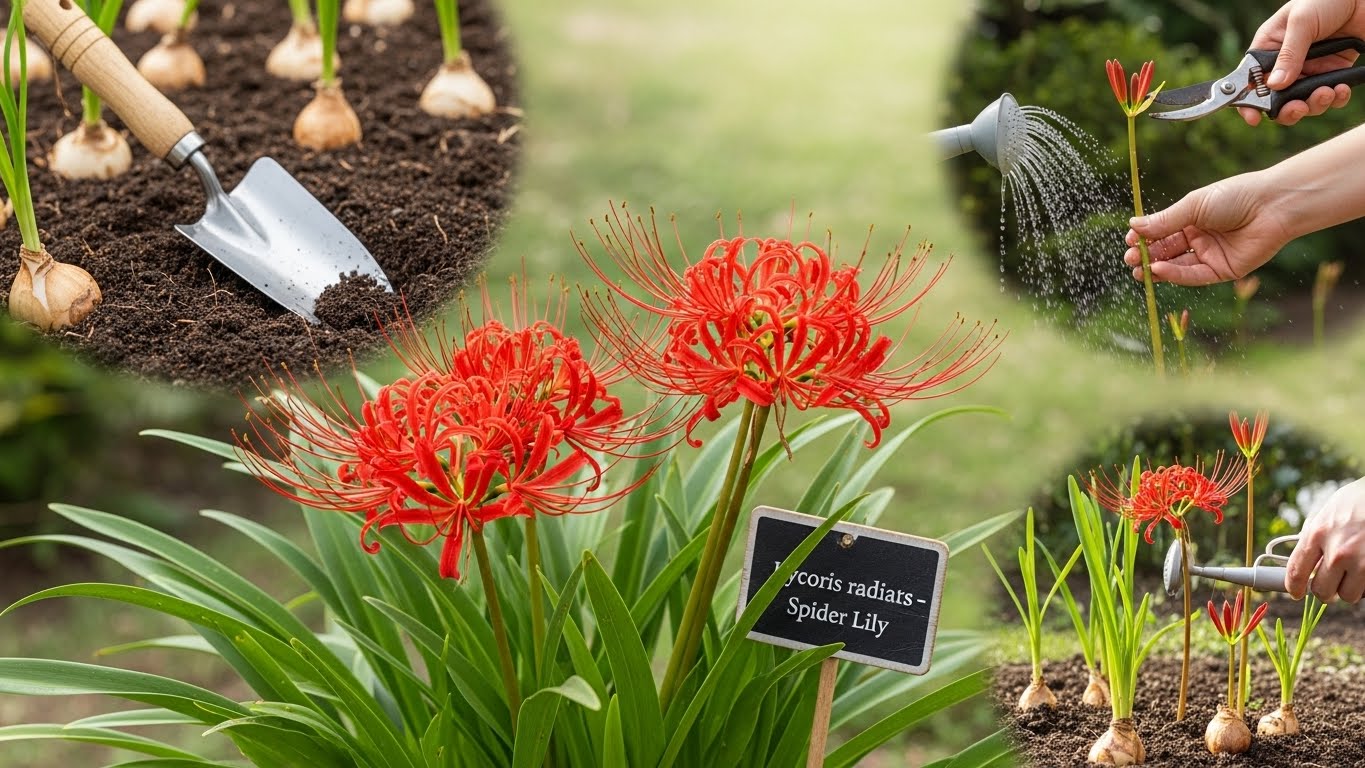
If you’re looking to elevate your home garden game, then look no further than Lyposingrass. This versatile and aromatic plant not only adds a unique flair to your garden but also brings a world of culinary possibilities right to your kitchen. Known for its vibrant flavor profile and numerous health benefits, Lyposingrass is a must-have for any gardening enthusiast or home cook eager to experiment with fresh ingredients.
Imagine stepping outside and snipping some fragrant stems straight from your own backyard. The subtle citrus aroma fills the air as you toss it into soups, teas, or stir-fries, transforming everyday meals into gourmet dishes. Plus, growing Lyposingrass is easier than you might think! With just a little guidance on how to nurture this delightful herb, you’ll be well on your way to enjoying its many rewards in no time. Let’s dive deeper into the art of cultivating this charming grass in your own garden oasis!
Benefits of Growing Lysopingrass in Your Home Garden
Growing Lysopingrass in your home garden offers a multitude of advantages. This aromatic herb not only enhances your culinary creations but also brings a fresh, vibrant touch to any space. Lysopingrass is known for its natural medicinal properties. It can help with digestion and provides soothing effects. Having it on hand means you can easily whip up herbal teas or infusions whenever needed.
Additionally, this plant attracts beneficial insects like bees and butterflies, promoting biodiversity in your garden. With its striking appearance, it adds visual interest alongside other plants. Cultivating Lysopingrass is low-maintenance too. Once established, it requires minimal watering while thriving in various soil types. The satisfaction of growing your own herbs cannot be underestimated; it’s truly rewarding to use fresh ingredients straight from the garden in your meals.
Choosing the Right Location for Lysopingrass
Choosing the right location for growing Lyposingrass is crucial for its success. This plant thrives in warm, sunny spots. Aim for at least six hours of direct sunlight each day. Consider your garden layout too. Lyposingrass prefers well-drained soil to prevent root rot. Avoid low-lying areas where water tends to pool after rainfall. If you’re planting in pots, choose a bright patio or balcony with good airflow. This helps keep humidity levels balanced and reduces disease risk.
Protect your Lyposingrass from strong winds that could damage the delicate stems. Plant them near a wall or fence if necessary, but ensure they receive enough light. Monitor nearby plants as well; crowded gardens can lead to competition for nutrients and space. Finding that perfect spot will help your Lyposingrass flourish beautifully in your home garden.
Preparing the Soil for Planting Lysopingrass
Preparing the soil for lysopingrass is crucial for optimal growth. Start by selecting a well-draining site with plenty of sunlight. This plant thrives in warm conditions, making sunny spots ideal.
Next, clear the area of any weeds or debris to give your lysopingrass a healthy start. Loosen the soil using a garden fork or tiller, breaking up clumps and improving aeration.
Adding organic matter such as compost can enhance soil fertility. This provides essential nutrients while promoting better drainage and moisture retention.
Test the pH level if possible; lysopingrass prefers slightly acidic to neutral soils (pH 6.0-7.0). If needed, amend your soil accordingly with lime or sulfur to achieve this range.
Ensure that you water thoroughly after preparing your bed. Moisture helps settle the new amendments into place before planting begins.
Planting and Caring for Lysopingrass
Planting Lysopingrass is a straightforward process, ideal for both novice and experienced gardeners. Start by sowing seeds about one inch deep in well-draining soil. Space them at least 12 inches apart to allow room for growth.
Water the newly planted seeds lightly but regularly to keep the soil moist until germination occurs. Once seedlings appear, you can reduce watering slightly while ensuring they never dry out completely.
Regularly check for weeds that may compete with your Lysopingrass. Mulching around the plants can help suppress unwanted growth and retain moisture.
When it comes to fertilizing, opt for an organic option every few weeks during the growing season. This will promote healthy foliage and robust flavor in your grass.
Pruning isn’t usually necessary but trimming back any excess growth helps encourage new shoots and keeps your garden looking tidy.
Common Pests and Diseases to Watch Out For
When growing lyposingrass, keeping an eye out for common pests is essential. Aphids are tiny but can cause significant damage by sucking the sap from your plants. If you notice curled or yellowing leaves, check closely for these little invaders.
Another culprit to watch for is spider mites. These microscopic pests thrive in dry conditions and may leave fine webbing on your lyposingrass. Regularly misting the plants can help deter them.
Fungal diseases like powdery mildew can also be a concern, especially in humid environments. Look for white spots on leaves and ensure proper air circulation around the plants to minimize this risk.
Slugs and snails love to munch on young sprouts. Set up barriers or traps to keep them at bay while allowing your lyposingrass to flourish without interruptions.
Harvesting and Using Lysopingrass in Recipes
When it comes to harvesting lyposingrass, timing is key. Wait until the grass reaches a height of about 12 inches for optimal flavor and aroma. Use sharp gardening scissors or shears to snip off the stalks close to the base.
After harvesting, rinse the stalks thoroughly under cool water. This removes any dirt or insects that may have clung on during growth.
Lyposingrass adds a delectable citrusy note to various dishes. It’s fantastic in soups, stir-fries, and marinades. Try infusing it into teas for a refreshing beverage with an aromatic twist.
For an exciting culinary experiment, chop fresh lyposingrass and mix it into dressings or sprinkle over grilled meats. The versatility of this herb can elevate even simple recipes into something special!
Conclusion
Growing Lyposingrass in your home garden isn’t just a rewarding project; it’s an opportunity to enhance your cooking and promote sustainability. With its distinct flavor profile and various health benefits, this herb can elevate everyday dishes. By choosing the right location, preparing the soil adequately, and staying vigilant against pests, you pave the way for a bountiful harvest.
Once you’ve successfully nurtured your Lyposingrass, you’ll find endless ways to incorporate it into your meals. Whether you’re making teas or adding it to savory recipes, its versatility is unmatched. Embracing this unique plant not only enriches your culinary experience but also adds beauty to your garden space. Cultivating Lyposingrass is more than planting seeds—it’s about fostering a connection with nature that pays dividends in health and flavor year after year.