
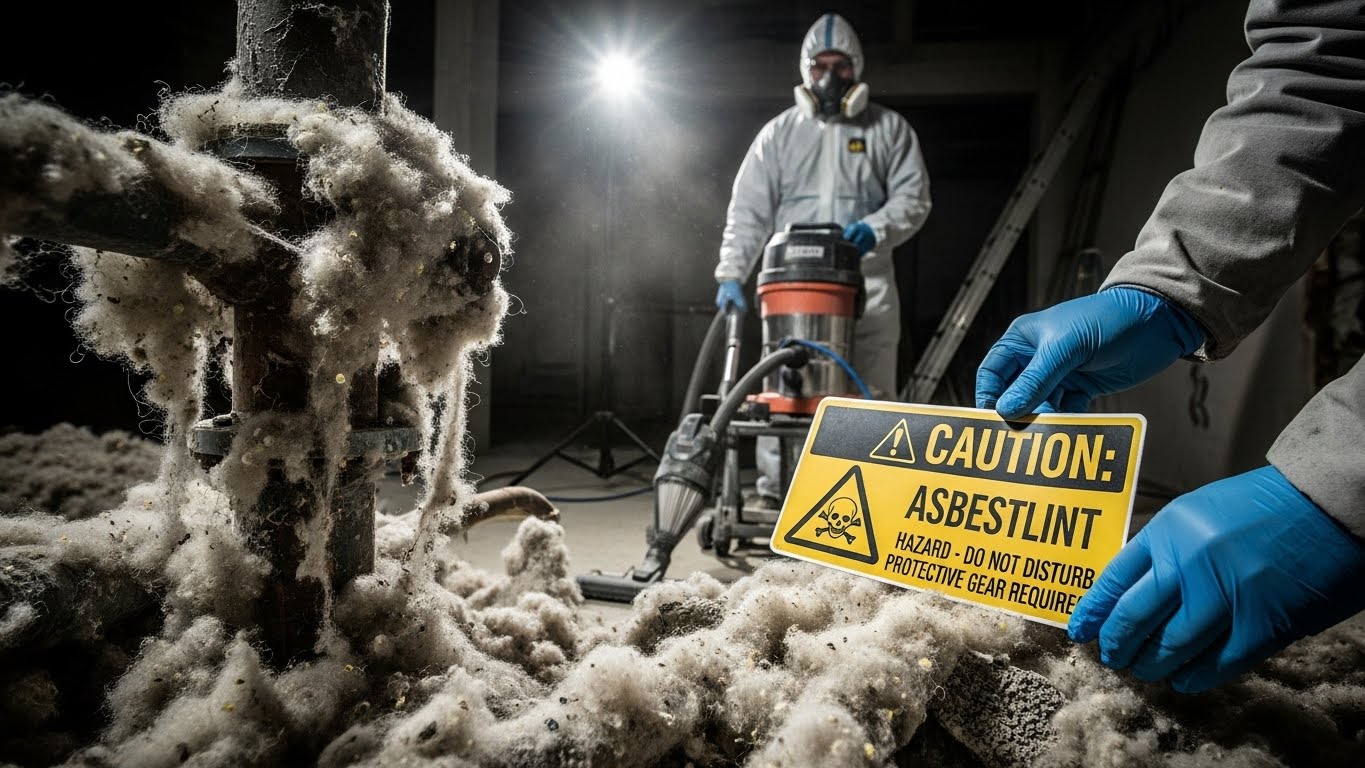
Renovating your home can be an exciting adventure, but it also comes with its own set of challenges. One of the most serious concerns that can arise during asbestlint renovations is the presence of asbestos, a hazardous material that has been widely used in construction for decades. Asbestos might seem like a relic from the past, yet many buildings still contain it. Knowing how to handle this dangerous substance properly is crucial for your safety and health.
Asbestlint refers to both the dangers associated with improperly managed asbestos and the necessary measures you must take when renovating spaces where it may be present. This article will guide you through understanding what asbestos is, its common uses in renovations, and why proper handling is vital. Whether you’re a DIY enthusiast or hiring professionals, being informed about asbestlint can make all the difference in creating a safe environment while breathing new life into your space. Let’s dive deeper into this important topic!
What is Asbestos and its Dangers?
Asbestos is a naturally occurring mineral made up of thin, fibrous crystals. Once celebrated for its fire-resistant properties and strength, it found widespread use in various industries, especially construction. The dangers of asbestos arise when these fibers become airborne. Inhalation can lead to serious health conditions such as asbestosis, lung cancer, and mesothelioma—a rare but aggressive cancer linked directly to asbestos exposure.
What makes asbestos particularly insidious is that symptoms often don’t appear until decades after exposure. This long latency period means many people may not realize they’ve been affected until it’s too late. Even minor renovations can disturb materials containing asbestos. This poses a risk not just to the renovators but also to anyone nearby. Understanding what asbestos is and recognizing its potential dangers are crucial steps in ensuring safety during any renovation project involving older buildings or homes.
Common Uses of Asbestos in Renovations
Asbestos was once hailed as a miracle material in construction due to its heat resistance and durability. This made it a popular choice for various building materials, especially from the 1940s to the 1980s. In renovations, asbestos can be found in insulation, roofing shingles, and floor tiles. It was also commonly used in textured paints and popcorn ceilings for its fire-retardant properties.
Many older homes still contain these materials. When undertaking renovations on such properties, it’s crucial to identify any asbestos-containing products before proceeding with work. Even small disturbances during renovation activities can release harmful fibers into the air. Therefore, awareness of where asbestos might be present is essential for safety management in any remodeling project.
Health Risks of Exposure to Asbestos
Exposure to asbestos poses significant health risks that cannot be overlooked. Inhalation of asbestos fibers can lead to serious respiratory issues and diseases. One of the most concerning conditions is asbestosis, a chronic lung disease caused by prolonged exposure. It results in scarring of lung tissue, leading to difficulty breathing and reduced lung function.
More alarmingly, asbestos exposure is linked to cancers such as mesothelioma. This aggressive cancer affects the lining of the lungs or abdomen and has a long latency period, often taking decades to develop after initial exposure. Individuals who work in construction or renovation are particularly at risk but so are family members who may come into contact with contaminated clothing or materials. Awareness is key; understanding these risks can save lives and help prevent devastating health outcomes.
Legal Regulations for Handling Asbestos
Legal regulations surrounding asbestos are stringent and vary by country. These laws aim to protect workers and the public from potential exposure during renovations or demolition projects. In many regions, regulations mandate that any work involving asbestos must be reported to relevant authorities. This includes conducting thorough inspections before any renovation begins.
Certified professionals are typically required to manage the removal process. They follow specific guidelines for handling and disposing of materials containing this hazardous substance. Failure to comply with these regulations can lead to severe penalties, including fines or legal action against property owners. It’s crucial for both contractors and homeowners to stay informed about their local laws regarding asbestlint management. Proper documentation is essential in case of an inspection, ensuring that all safety protocols have been followed diligently throughout the project.
Safe Removal and Disposal Methods
When it comes to asbestlint, safety is paramount. Proper removal starts with wearing the right protective gear—this includes disposable coveralls, gloves, and respirators designed for asbestos work. Before commencing any removal task, it’s crucial to seal off the area. Use plastic sheeting to prevent dust from spreading throughout your home. This creates a controlled environment where you can safely handle potentially hazardous materials.
Wetting down asbestos-containing material before removal minimizes airborne particles. Always use specialized tools that limit damage and reduce fiber release during extraction. Once removed, transport the waste in sealed containers marked clearly as containing asbestos. It’s important to follow local regulations for disposal at designated facilities equipped to handle such materials safely. Never attempt DIY methods without proper training or certification; this could lead not only to health risks but also legal repercussions.
Alternatives to Using Asbestos in Renovations
When it comes to renovations, there are several safe alternatives to asbestos that can provide similar benefits without the associated health risks. One option is cellulose insulation, made from recycled paper products. This material offers excellent thermal performance and soundproofing qualities. Another popular choice is mineral wool insulation. It’s fire-resistant and provides great acoustic control, making it suitable for various applications in residential settings. For roofing and siding, fiber cement boards have gained traction. They mimic the appearance of traditional materials while being durable and low-maintenance.
Additionally, natural fibers like jute or hemp can be utilized as eco-friendly insulation options that also support sustainability efforts in construction projects. These alternatives not only enhance safety but also promote a healthier living environment during renovations. Opting for such materials helps ensure compliance with regulations while maintaining quality and aesthetics.
Importance of Proper Training and Certification
Proper training and certification are crucial when dealing with asbestlint. Knowledge of asbestos handling can significantly reduce health risks for workers and residents alike. Certified professionals understand the complexities of working with materials that contain asbestos. They know how to identify, assess, and manage potential hazards effectively.
Training programs offer insights into safe practices, including protective gear usage and proper ventilation techniques. This expertise is essential in preventing accidental exposure during renovations.
Moreover, certified experts stay updated on local regulations surrounding asbestos removal. Compliance ensures not only safety but also legal protection for both contractors and homeowners. Investing in training creates a safer environment for everyone involved. It helps build trust between contractors and clients while promoting responsible renovation practices throughout the community.
Conclusion
Asbestos, particularly in the form of asbestlint, poses significant risks during renovations. Understanding its dangers is crucial for anyone involved in construction or home improvement projects. Commonly found in older buildings, asbestos was widely used for its insulating properties and fire resistance. However, the health hazards associated with exposure to this material cannot be understated.
Renovations often uncover hidden asbestos materials that can lead to serious health issues if not handled correctly. Legal regulations are stringent regarding the handling and disposal of asbestos; thus, adhering to these guidelines is essential for safety and compliance. Safe removal methods should always be employed by trained professionals who understand how to mitigate risks effectively.
Fortunately, there are alternatives available that do not carry the same health threats as asbestos. These options allow homeowners and contractors to renovate safely while maintaining quality standards without compromising well-being. Ensuring proper training and certification when dealing with asbestlint is vital for any renovation project involving potential exposure to this hazardous material. By prioritizing education on safe practices, we can minimize risks significantly. Taking actionable steps toward understanding and managing asbestos ensures safer environments during renovations while protecting everyone involved from unnecessary health complications related to this dangerous substance.